

- Coinbase Suspends 25 Perpetual Futures Contracts: What It Means for Traders and the Crypto Market
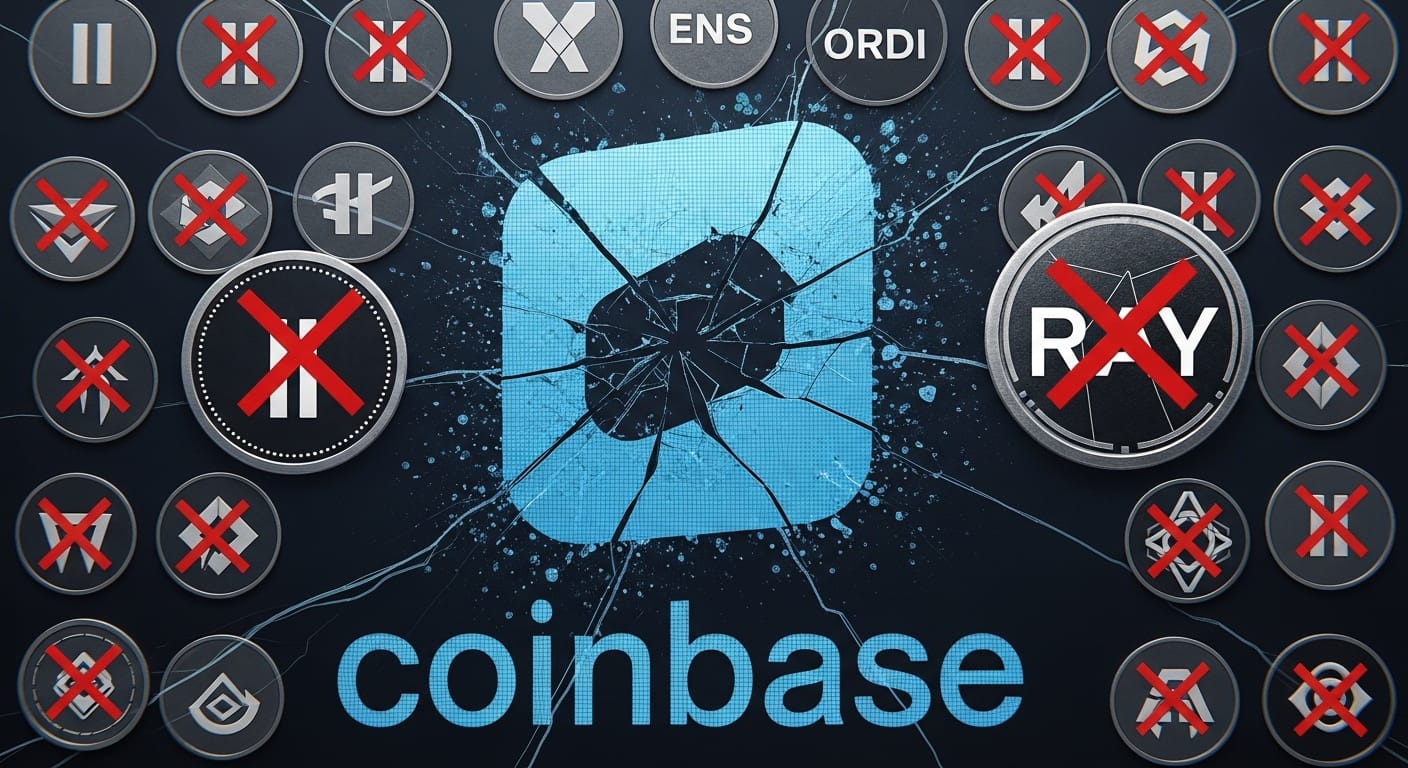
In a significant move aimed at strengthening its derivatives marketplace, Coinbase has suspended trading for 25 perpetual futures contracts. The exchange also automatically settled all open positions tied to these contracts, signaling a broader push toward improving market quality, liquidity, and overall trading standards.This decision has sparked discussions across the crypto community, especially among traders who were actively engaged in these markets. The suspended contracts included a diverse set of tokens such as Ethereum Name Service (ENS), ORDI (ORDI), Raydium (RAY), STX, SNX, TRB, XTZ, and 1000FLOKI, among others.What Exactly Happened?
Coinbase announced that it would discontinue trading for 25 perpetual futures contracts and proceed with the automatic settlement of all open positions. This means traders who held positions in these contracts did not need to manually close them—the exchange finalized all trades at predetermined settlement prices.The settlement prices were calculated using the average index price over the 60 minutes leading up to the suspension, ensuring a fair and transparent closing mechanism.
Some of the key settlement prices included:
ENS settled at $6.03 USDC
ORDI settled at $4.663 USDC
RAY settled at $0.665 USDC
STX settled at $0.2248 USDC
SNX settled at $0.29246 USDC
Meanwhile, lower market cap tokens experienced much smaller settlement values:NEIRO settled at $0.0000827 USDC
BEAM settled at $0.001987 USDCThis wide variation highlights the differing liquidity and market demand levels across these assets.
Why Did Coinbase Suspend These Contracts?
According to Coinbase, this move is not tied to any single market event or crisis. Instead, it is part of a broader strategy focused on maintaining high-quality derivatives markets.In its official statement, Coinbase emphasized that the suspensions were necessary to ensure that listed contracts meet strict criteria for:
Liquidity
Market depth
Trading activity
Price integrityThe exchange stated that removing underperforming or less active contracts allows it to focus on markets that provide better trading experiences for users.
A Shift Toward Quality Over Quantity
This decision reflects a growing trend in the crypto industry: prioritizing quality over quantity.
In earlier market cycles, exchanges often rushed to list a wide range of tokens to attract users and increase trading volume. However, this approach sometimes resulted in:
Low liquidity markets
High volatility
Price manipulation risks
Poor user experience
By cutting down on less active contracts, Coinbase is aiming to create a more stable and reliable trading environment.
This strategy could ultimately benefit both retail traders and institutional investors, who rely heavily on liquidity and price stability when making trading decisions.
Impact on Traders
For traders, the immediate impact was the automatic closure of all open positions in the affected contracts.
What traders need to know:
All positions were settled automatically
Settlement prices were calculated transparently
No manual intervention was required
Funds were returned based on final settlement values
However, this also means that traders lost the opportunity to:Hold positions longer
Wait for market recovery
Adjust strategies based on changing conditions
For some, especially those using leveraged positions, this could have resulted in unexpected outcomes.
Market Reaction and Community ResponseThe crypto community has responded with mixed reactions.
Positive Views:
Some traders and analysts support Coinbase’s decision, arguing that:
It improves overall market health
Reduces exposure to illiquid assets
Enhances trust in the platform
Aligns with institutional standards
Concerns:Others have raised concerns about:
Sudden closures impacting trading strategies
Lack of flexibility for traders
Potential loss of niche market opportunities
Despite these concerns, many agree that long-term market stability may outweigh short-term disruptions.What This Means for the Future of Derivatives Trading
Coinbase also revealed plans to accelerate its listing process for new derivatives products. By streamlining internal workflows and adopting advanced evaluation systems, the exchange aims to:Launch higher-quality contracts faster
Improve liquidity across listed assets
Enhance risk management systems
Maintain consistent listing standardsThis indicates that while some markets are being removed, new and potentially stronger opportunities could emerge.
The Bigger Picture: Industry-Wide Implications
This move could influence how other exchanges approach derivatives listings.Major platforms may begin to:
Tighten listing requirements
Focus on high-liquidity assets
Reduce the number of speculative contracts
Improve transparency in settlement processes
In the long run, this could lead to a more mature and stable crypto derivatives ecosystem.Final Thoughts
The decision by Coinbase to suspend 25 perpetual futures contracts marks a strategic shift toward improving market quality and user experience.While the move may have caused short-term disruption for traders, it reflects a broader commitment to building a more reliable and efficient trading environment.
For traders, the key takeaway is clear:
Focus on liquidity, risk management, and platform policies when engaging in derivatives trading.
As the crypto market continues to evolve, such decisions could play a crucial role in shaping a more sustainable and trustworthy ecosystem.